Quick Facts
- Market Health: Personal loan arrears hit a decade-high of 10.2% in early 2026.
- Demand Dynamics: Consumer inquiries for an nz personal loan rose by 8% year-on-year.
- Financial Stress: Hardship applications related to personal credit spiked by 45% annually.
- Mortgage Context: Mortgage inquiries rose 11.3% year-on-year, showing a divergence between property and discretionary borrowing.
- Approval Trends: New mortgage lending increased by 10.7% in the March 2026 quarter.
- Interest Rates: Secured personal loans currently range from 9.9% to 19.9% p.a., while unsecured options often exceed 12.9%.
As of May 2026, Centrix data reveals a complex landscape for New Zealand borrowers. While mortgage demand is surging, the nz personal loan market is showing significant signs of strain. Personal loan inquiries have risen by 8%, yet arrears have hit a decade-high of 10.2%. This suggests that while borrowing remains active, many households are currently facing significant repayment pressure due to shifting economic conditions.
The Great Credit Divergence: Mortgages vs. Personal Loans
The latest credit report insights suggest we are witnessing a "Great Credit Divergence" in the New Zealand economy. On one hand, the property sector shows surprising resilience. Despite high interest rates, consumer credit demand for mortgages showed growth as of April 2026, with mortgage enquiries rising 11.3% year-on-year. This is often driven by a massive wave of refinancing; currently, refinancing and switching lenders account for approximately 46% of all new mortgage activity.
However, the nz personal loan sector tells a more cautionary tale. While inquiries are up 8%, the intent behind these loans is shifting. Instead of discretionary spending—like holidays or luxury upgrades—more Kiwis are looking at a debt consolidation personal loan nz to manage existing liabilities. There is a psychological shift occurring: New Zealanders are prioritizing "Big Commitments" like their homes while feeling the squeeze on "Everyday Borrowing."
Interestingly, while 71% of mortgage switchers choose to stay within the Big 4 banks, those seeking an nz personal loan are increasingly diversifying their search. A personal loan comparison nz today often leads borrowers toward non-bank lenders or smaller credit unions that offer more flexible terms than the traditional banking giants.
Understanding Personal Loan Arrears and Eligibility in 2026
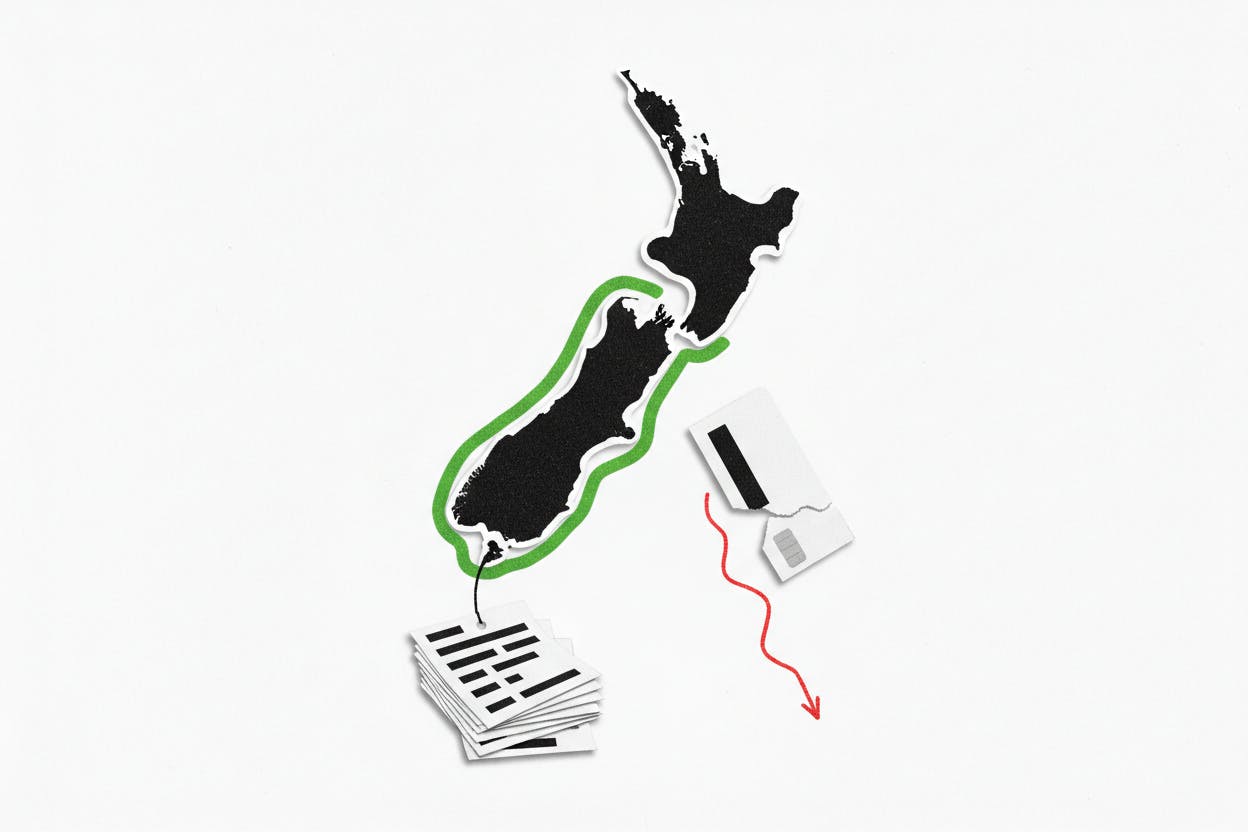
The most striking figure in the April 2026 Centrix Credit Indicator is the state of consumer arrears. While the overall credit-active population saw a slight improvement to 11.72% in March 2026—with 459,000 people reported behind on payments—the specific subset of personal loans is struggling.
The 10.2% arrears rate for personal loans is the highest we have seen in ten years. This is compounded by a 45% annual spike in financial hardship applications. When you look at the lending environment, this is a clear signal of household budget stress. For you as a borrower, this means personal loan eligibility nz criteria have become much tighter.
Lenders are no longer just looking at your income; they are scrutinizing your credit delinquency history and the stability of your disposable income. The "lag effect" of high fuel prices and essential utility costs from late 2025 is now showing up in credit data. If you have any missed payments on your credit report, you may find that even a basic unsecured personal loan nz becomes difficult to secure without a higher interest rate premium.
How to Secure the Best Rates Despite Market Strain
Navigating the market to find the lowest interest rate personal loan nz requires a strategic approach in 2026. The gap between "good" and "average" credit scores has never been more expensive. To get the best deal, focusing on improving credit score for personal loan nz should be your first step before even filling out an application.
| Loan Type | Interest Rate Range (p.a.) | Typical Purpose |
|---|---|---|
| Secured Personal Loan | 9.9% - 19.9% | Newer vehicles, asset-backed borrowing |
| Unsecured Personal Loan | 12.9% - 22.9% | Debt consolidation, home repairs |
| Debt Consolidation Loan | 10.5% - 18.0% | Combining credit cards and short-term debt |
To improve your nz credit score for personal loan approval, consider the following checklist:
- Check for errors: Ensure your Centrix, Equifax, and Illion reports are accurate.
- Reduce credit limits: Lower the limits on unused credit cards to reduce your "total available credit."
- Avoid "Inquiry Clusters": Don't apply for multiple loans at once, as every inquiry can temporarily dip your score.
- Automate minimums: Ensure every bill is paid on time; even a utility bill default can haunt your eligibility.
If you are struggling with existing debt, instead of taking out a new nz personal loan for lifestyle spending, look into managing personal loan hardship nz through your current provider. Many lenders are legally required to consider hardship applications if your circumstances have changed due to illness or job loss.
The Role of Non-Bank Lenders in a Tightening Market
As traditional banks tighten their belts, non-bank lenders are playing a critical role as a safety valve for the New Zealand market. For self-employed individuals or those with "Alt Doc" (alternative documentation) needs, these lenders offer a pathway that big banks often block.
Non-bank lenders are currently seeing a surge in consumer credit inquiries because they often offer 24-48 hour approval speeds. If you have a unique situation, such as needing a personal loan with guarantor nz, these specialized lenders are often more equipped to handle the manual underwriting required.
However, the trade-off is often cost. While they offer speed and accessibility, the interest rate trends in the non-bank sector tend to be higher to compensate for the increased risk. If you have been rejected by a major bank, companies like Pepper Money or Avanti may provide a solution, but you must be diligent about reading the fine print regarding establishment fees and early repayment penalties.
FAQ
How much can I borrow from a personal loan in NZ?
Most lenders offer nz personal loan amounts ranging from $2,000 to $50,000 for unsecured loans. If you have significant equity in an asset, such as a vehicle or property, some secured loans can go up to $100,000. Your specific limit will depend on your disposable income and current debt-to-income ratio.
What is the easiest personal loan to get approved for?
Generally, a secured loan is easier to get approved for because the lender has an asset to claim if you default. Alternatively, smaller non-bank lenders may have more flexible personal loan eligibility nz criteria than major banks, though they often charge higher interest rates to offset the risk.
How much would a $10,000 loan cost a month?
At a mid-range interest rate of 13.9% p.a. over a three-year term, a $10,000 loan would cost approximately $341 per month. However, this does not include potential establishment fees, which can range from $100 to $500 depending on the lender.
What credit score is needed for a $25,000 loan?
To secure a $25,000 nz personal loan at competitive rates, you typically need a "Good" to "Excellent" credit score—usually above 700 on the Centrix scale. While you can get approved with a lower score, you will likely be offered a much higher interest rate or be required to provide a guarantor.
Summary: Staying Informed in 2026
The data from Centrix is clear: we are in a period of high demand but also high risk. While it is still possible to find a high-quality nz personal loan, the margin for error is slim. Lenders are closely monitoring credit reports and repayment histories, meaning your financial reputation is your most valuable asset.
Before you apply, take the time to conduct a thorough personal loan comparison nz. Look beyond the headline interest rate and factor in the total cost of the loan over its lifetime. By staying informed about the latest market trends and maintaining your credit health, you can navigate these choppy waters and secure the financing you need without compromising your long-term financial stability.