Quick Facts
- The Core Conflict: Deciding between a HELOC and bankruptcy depends on your ability to pay; a HELOC puts your home at risk for unsecured debt, while Chapter 7 bankruptcy Florida allows most qualified residents to discharge debt while keeping their home via the homestead exemption.
- 2026 Florida Income Limits: Approximately $68,085 for a single person and $111,819 for a family of four to qualify for an immediate Chapter 7 filing.
- Financial Cost: Bankruptcy involves a $338 filing fee plus attorney fees ranging from $1,200 to $2,000, whereas a HELOC involves appraisal and closing costs but no immediate legal fees.
- Asset Protection: Florida offers one of the strongest homestead exemptions in the nation, protecting 100% of your primary home’s value in bankruptcy, provided you meet certain residency and acreage requirements.
- Risk Profile: A HELOC converts dischargeable credit card debt into a secured lien; if you default, the lender can initiate foreclosure. Bankruptcy triggers an 11 U.S.C. § 362 automatic stay to stop all collection actions immediately.
- Market Trends: The share of home equity lending volume used specifically for debt consolidation jumped to 39% in 2024, indicating that more homeowners are leveraging their property to manage unsecured liabilities.
Choosing between a home equity line of credit (HELOC) and filing for chapter 7 bankruptcy florida represents a fundamental crossroads in personal finance. For many Florida homeowners, the decision hinges on whether it is safer to bet your home equity against your future income or to seek a legal discharge that clears the slate while utilizing state exemptions to keep your roof over your head.
Chapter 7 Bankruptcy Florida: 2026 Qualifications and Means Testing
Entering the world of debt relief through the legal system requires a clear understanding of your eligibility. In Florida, the process for chapter 7 bankruptcy florida is strictly governed by your household income. The state uses a two-step verification process to ensure that only those with genuine financial hardship can fully discharge their unsecured debts.
The first step is a straightforward comparison of your gross annual income against the Florida state median. As of 2026, the florida chapter 7 bankruptcy income limit is approximately $68,085 for a single-person household. For a family of four, that limit rises to $111,819. If your total household income falls below these figures, you generally qualify automatically to file.
If your income exceeds these limits, you are not necessarily disqualified, but you must pass the full means test. This calculation subtracts specific IRS-allowed living expenses from your gross income to determine your "disposable income." If the court determines you have enough left over to pay back a portion of your creditors, you may be steered toward chapter 13 bankruptcy florida instead, which involves a three-to-five-year repayment plan.
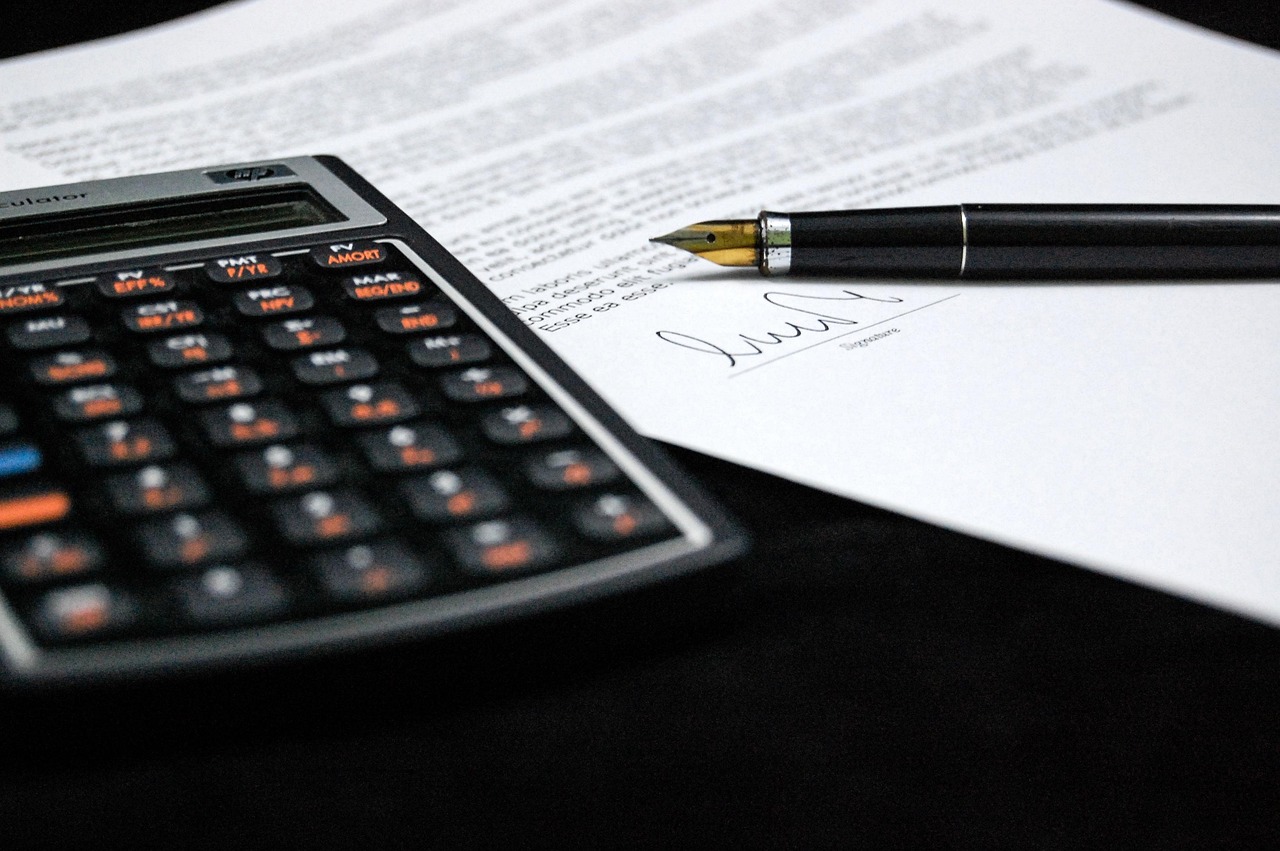
Understanding these chapter 7 bankruptcy florida qualifications is vital because the stakes are high. While Chapter 7 offers a faster path to a fresh start, the means test acts as a gatekeeper. For homeowners whose income has recently spiked but whose debt remains unmanageable, navigating the chapter 7 vs chapter 13 bankruptcy florida distinction often requires a detailed analysis of monthly expenditures to prove that there truly is no surplus left for creditors.
HELOC for Debt Consolidation: The High-Equity Gamble
For homeowners with significant property appreciation, a HELOC can feel like a lifeline. It allows you to tap into your home’s value to pay off high-interest credit cards or medical bills. This shifts your debt-to-income ratio by replacing 20% or 30% APR credit cards with a single loan at a much lower interest rate.
However, as a mortgage editor, I must categorize this as a "high-equity gamble." When you use a HELOC for debt consolidation, you are making a critical legal trade-off: you are converting unsecured debt into secured debt. If you lose your job or face another financial setback and cannot make your HELOC payments, the bank has the right to take your home. Credit card companies, by contrast, cannot simply seize your house if you miss a payment—they would have to sue you and win a judgment first, and even then, Florida's laws make it very difficult for them to touch your primary residence.
The trend of using equity to mask debt is growing. According to the Mortgage Bankers Association, the proportion of home equity lending volume used for debt consolidation rose to 39% in 2024, up from just 25% two years prior. This suggests that while inflation and interest rates have stabilized, the pressure on household budgets is still driving people to tap into their "piggy bank" houses.

Before signing for a HELOC, you must evaluate if the root cause of your debt has been solved. If you pay off your cards with a loan but continue to spend beyond your means, you will eventually face both a maxed-out HELOC and new credit card balances—a recipe for foreclosure.
Protecting Your Home: Florida Homestead Exemption vs. HELOC Foreclosure
One of the most misunderstood aspects of bankruptcy is the fear of losing your home. In reality, chapter 7 bankruptcy florida offers some of the most robust protections in the United States for primary residences. Under the Florida homestead exemption, there is no dollar limit on the value of the home you can protect, provided you have lived in the state for at least 1,215 days prior to filing and the property is on less than half an acre in a municipality or 160 acres in an unincorporated area.
This creates a paradox: you may be safer in bankruptcy than with a consolidation loan. In a bankruptcy scenario, your home is shielded by law from unsecured creditors. In a HELOC scenario, you have voluntarily given the bank a lien on your property. There is no homestead protection against a mortgage or a HELOC that you signed for yourself.
Expert Tip: If your primary goal is foreclosure prevention, a HELOC might actually make your situation more precarious by adding a second monthly payment that must be met to keep the lights on. Bankruptcy, through the 11 U.S.C. § 362 automatic stay, can actually pause foreclosure proceedings, giving you a breathing room to reorganize.

When examining the effects of chapter 7 bankruptcy on home equity florida, the key is the equity valuation. If you have non-exempt equity (which is rare for primary homes in Florida but possible for second homes or investment properties), the trustee might attempt asset liquidation. However, for the vast majority of Florida residents filing for their primary residence, your home remains yours.
The Cost and Timeline of Debt Relief in 2026
The path you choose will dictate your financial schedule for several years. A HELOC can be closed in as little as 30 days, providing immediate cash to wipe out other creditors. However, you are then committed to a 10-year draw period followed by a 20-year repayment term.
In contrast, the chapter 7 bankruptcy florida cost is more of an upfront investment for a long-term gain. Total non-business bankruptcy filings in the U.S. reached 565,890 for the 12-month period ending March 31, 2026, as more individuals realized that paying a few thousand dollars in legal fees is more sustainable than paying tens of thousands in interest over a decade.
| Feature | Chapter 7 Bankruptcy | Chapter 13 Bankruptcy | HELOC Consolidation |
|---|---|---|---|
| Upfront Cost | $338 fee + $1,200-$2,000 legal | $313 fee + legal fees | Appraisal & Closing ($500-$2k) |
| Duration | 4 to 6 months to discharge | 3 to 5 year payment plan | 10-30 year loan term |
| Credit Impact | 10 years on report | 7 years on report | Potential score increase |
| Asset Risk | Low for primary home | Low (repayment required) | High (foreclosure risk) |
| Debt Reduction | Total discharge of unsecured | Partial discharge | No reduction (refinance only) |

While the chapter 7 bankruptcy florida how long on credit report question (10 years) often scares people, many find that their credit score actually begins to recover faster after bankruptcy than it does while they are drowning in "maxed out" credit cards with high debt-to-income ratios.
FAQ
What is the income limit for Chapter 7 in Florida?
The income limit is based on the state median for your household size. For 2026, a single person typically must earn less than $68,085 to qualify automatically. A family of two has a limit of approximately $81,990, and a family of four is roughly $111,819. These numbers are updated periodically, so checking the latest figures from the U.S. Trustee Program is essential.
What assets do you lose in Chapter 7 in Florida?
In Florida, you rarely lose your primary home due to the homestead exemption. You can also protect up to $1,000 in personal property (or $4,000 if you don't use the homestead exemption) and $1,000 in equity in a single motor vehicle. Most retirement accounts and pensions are also exempt. Assets that are often at risk include second homes, expensive jewelry, non-exempt tax refunds, or significant amounts of cash in savings accounts.
What happens when you file Chapter 7 in Florida?
Once you file, an automatic stay goes into effect, legally prohibiting creditors from calling, suing, or garnishing your wages. A trustee is appointed to review your financial records and determine if you have any non-exempt assets to sell. Within about 40 days, you attend a brief Meeting of Creditors (341 meeting). If no objections are raised, the court typically issues a discharge order 60 to 90 days later, legally wiping out your qualifying unsecured debts.
What disqualifies you from filing Chapter 7?
The most common disqualification is failing the means test, which suggests you have enough disposable income to pay back creditors in a Chapter 13 plan. Other disqualifying factors include having received a Chapter 7 discharge within the last eight years, attempting to defraud the court by hiding assets, or failing to complete the required credit counseling and debtor education courses.
Choosing Your Path to Financial Recovery
As you evaluate your options, ask yourself three diagnostic questions. First, is your current debt-to-income ratio so high that even a lower interest rate on a HELOC would not make the monthly payments comfortable? If so, consolidation is likely just a bandage on a deeper wound.
Second, can you stomach the risk of losing your home? If your income is unstable, filing for chapter 7 bankruptcy in florida provides a legal shield that a loan simply cannot match. Third, are your debts mostly unsecured (credit cards, medical bills)? Chapter 7 is specifically designed to handle these, whereas a HELOC merely moves the burden from one pocket to another.
The increase in bankruptcy filings in 2026 highlights a shifting trend: more Americans are choosing the legal route to financial hardship relief rather than risking their most valuable asset. Whether you choose to leverage your home equity or seek a discharge, do not make the decision in a vacuum. Consult with a Florida-licensed bankruptcy attorney or a mortgage professional to ensure your long-term stability.