Quick Facts
- Strategic Status: As of 2025, copper is officially designated a "critical mineral," shifting its role from a cyclical industrial commodity to a structural growth asset essential for the AI and energy transition.
- The Demand Surge: Global copper demand is projected to rise by 50%, moving from 28 million metric tons in 2025 to 42 million metric tons by 2040.
- The Supply Gap: A structural shortfall of approximately 10 million metric tons is forecast by 2040, a deficit that current mining projects are unlikely to fill without significant new investment.
- Top Investment Picks: For diversified exposure, the Global X Copper Miners ETF (COPX) remains the industry leader, while the Themes Copper Miners ETF (COPA) offers the lowest expense ratio in the sector (0.35%).
- Portfolio Role: Financial advisors increasingly view copper as a "green hedge"—providing inflation protection similar to gold but with the added growth potential of high-tech infrastructure.
For decades, investors viewed copper as "Dr. Copper"—the metal with a Ph.D. in economics because its price moved in lockstep with global industrial health. If the economy was growing, copper did well; if a recession loomed, copper was the first to fall. However, as we move into 2026, that old playbook is being rewritten. While gold continues to attract headlines as a hedge against currency debasement, copper is quietly becoming the structural backbone of the modern era. It is no longer just a building material; it is a strategic asset.
In 2025, several major governments officially designated copper as a "critical mineral." This wasn't just a change in terminology—it was a recognition that the global goals of AI expansion and energy independence are impossible without it. For you, the long-term investor, this represents a fundamental shift. Copper is transitioning from a cyclical trade into a core portfolio holding that benefits from the "electrification of everything." Why is copper considered a strategic asset for portfolios in 2026? It is because of its irreplaceable role in AI data centers, electric vehicle (EV) fleets, and the massive upgrading of aging power grids. It offers a unique combination of inflation resistance and structural growth that few other assets can match.
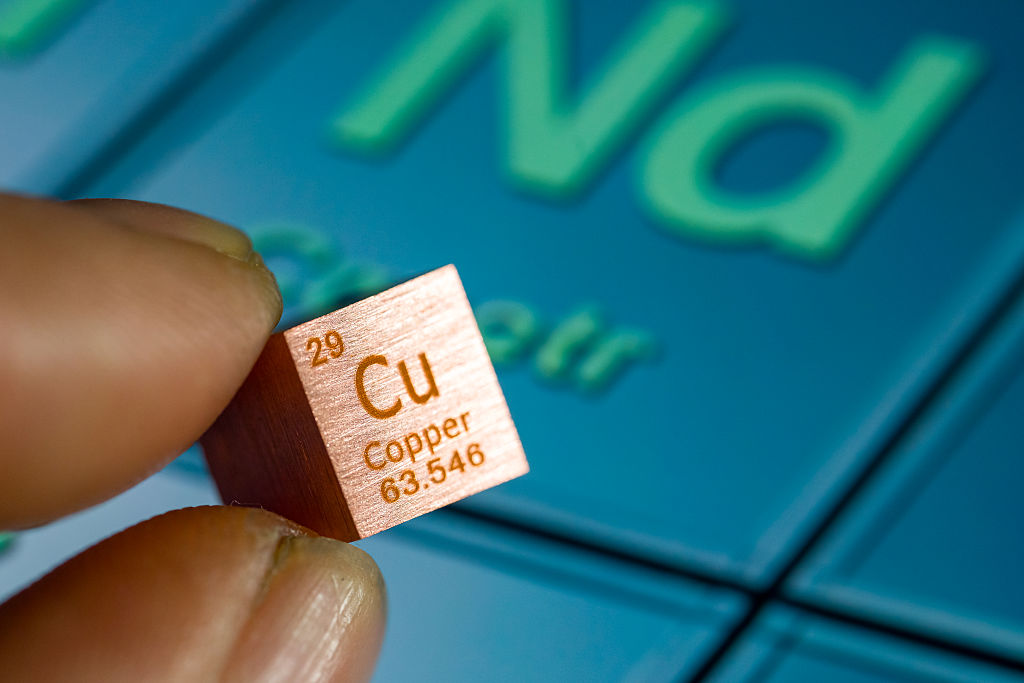
The Macro Thesis: 42 Million Metric Tons by 2040
To understand the investment case for copper, you have to look at the numbers. The scale of the coming demand is unprecedented. Global copper demand is projected to increase by 50%, rising from 28 million metric tons in 2025 to 42 million metric tons by 2040. This isn't just a gradual increase; it is a structural step-change driven by three primary engines.
First, let’s talk about AI and Data Centers. We often think of AI as software, but it requires a massive physical footprint. Data centers are power-hungry giants. To distribute electricity to the thousands of high-performance GPUs (graphics processing units) required for AI, engineers need miles of copper busbars, power cables, and heat exchangers. A single large-scale data center can require several thousand tons of copper. As the world builds out the infrastructure for the "AI era," copper demand from the computing sector alone is expected to more than double by 2030.
Second is Grid Modernization. The world is shifting from centralized fossil fuel power to decentralized renewable energy. Whether it is a wind farm in the North Sea or a solar array in Arizona, these facilities must be connected to the grid. Renewable energy projects require significantly more copper than traditional power plants—often 200 to 400 tons of copper per gigawatt (GW).
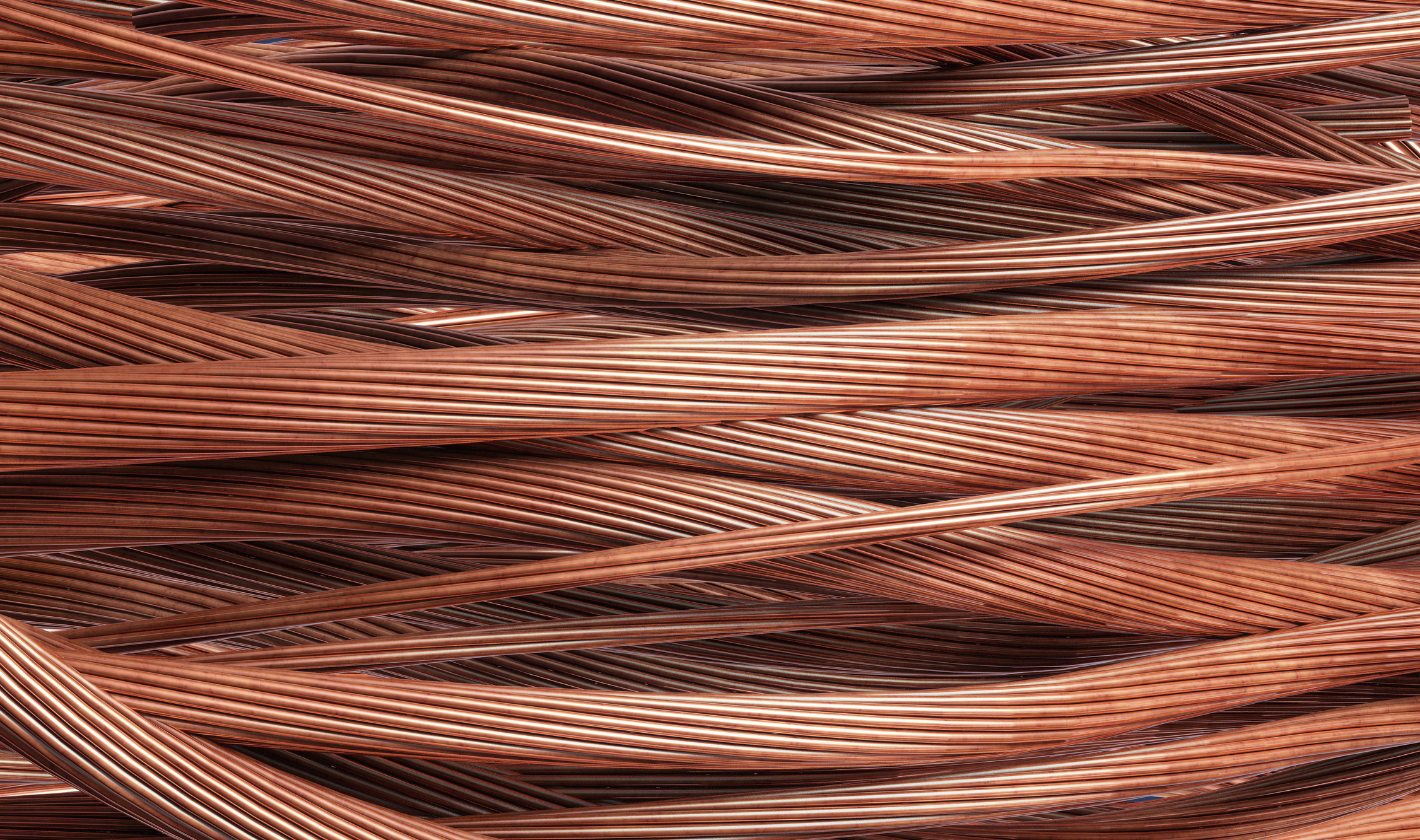
Finally, we face a Structural Supply Shortfall. While demand is soaring, the world is running out of easy-to-reach copper. Most of the world’s "low-hanging fruit" in mining has been picked. New mines take 10 to 15 years to move from discovery to production due to environmental regulations and increasing technical complexity. Analysts forecast a structural supply-demand gap of approximately 10 million metric tons by 2040 without significant new production. This imbalance is the most powerful "buy" signal for copper in a generation.
Top Copper ETFs for Diversified Exposure
For most individual investors, buying physical copper bars is impractical, and trading copper futures is too risky. The most efficient way to express a bullish view on copper is through Exchange-Traded Funds (ETFs) that hold the companies doing the mining.
Which copper ETFs provide the best exposure to the mining sector? The answer depends on your specific goals—whether you want stability, low costs, or high-growth potential.
- Global X Copper Miners ETF (COPX): This is the industry "heavyweight." With over $7.46 billion in assets under management (AUM), it provides the most liquid exposure to global copper mining giants. If you want a "one-click" solution for the sector, this is it.
- Themes Copper Miners ETF (COPA): For the cost-conscious investor, COPA is a standout. It launched with an expense ratio of just 0.35%, making it significantly cheaper than its older competitors. Over a 10-year holding period, these lower fees can meaningfully improve your net returns.
- iShares Copper and Metals Mining ETF (ICOP): This fund offers a slightly broader take, including companies that mine copper alongside other transition metals like aluminum and lithium. It is a more diversified play on the "green metals" theme.
- Sprott Junior Copper Miners ETF (COPJ): If you have a higher risk tolerance, COPJ focuses on smaller "junior" miners. These companies are often in the exploration or early development phase. While more volatile, they offer higher "beta"—meaning they tend to rise much faster than the giants when the price of copper spikes.
| ETF Ticker | Fund Name | Expense Ratio | Primary Focus |
|---|---|---|---|
| COPX | Global X Copper Miners ETF | 0.65% | Large-cap global miners |
| COPA | Themes Copper Miners ETF | 0.35% | Low-cost pure-play miners |
| ICOP | iShares Copper & Metals Mining | 0.47% | Diversified transition metals |
| COPJ | Sprott Junior Copper Miners | 0.75% | Small-cap explorers/developers |
| CPER | United States Copper Index Fund | 0.88% | Futures-based (Direct price) |
Pro-Tip: When choosing a copper ETF, look closely at the "expense ratio." In a commodity sector where prices can be volatile, paying an extra 0.30% in fees every year can quietly erode your gains. For long-term core holdings, look to lower-cost providers like Themes (COPA).
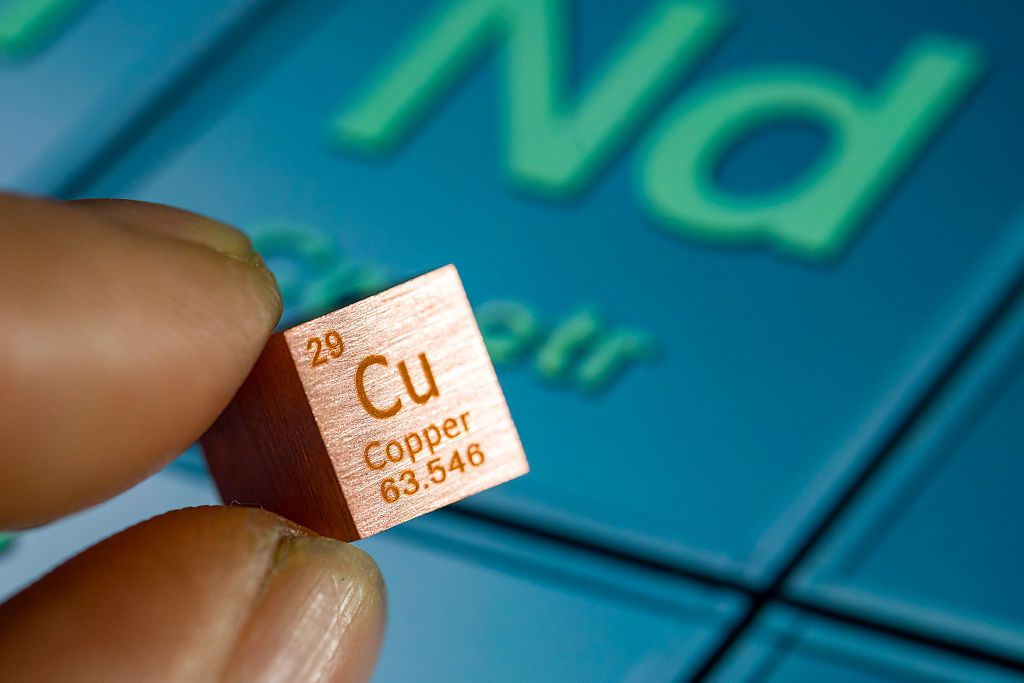
Leading Copper Mining Stocks to Buy for 2026
While ETFs provide safety through diversification, some investors prefer to pick individual "best-of-breed" companies. These stocks offer the potential for dividends and superior management performance.
Freeport-McMoRan Inc. (FCX) is the quintessential American copper play. As one of the world's largest publicly traded copper producers, Freeport operates the massive Grasberg district in Indonesia and several large mines in the Americas. What sets them apart is their downstream integration—they don't just mine the ore; they also have significant rod and cable fabrication capabilities.
Southern Copper Corp. (SCCO) is often cited as the "cost-control king." They have access to some of the highest-grade reserves in the world, primarily in Peru and Mexico. Because their ore is so rich and their operations are vertically integrated, their "All-in Sustaining Cost" (AISC) is among the lowest in the industry. This means even if copper prices take a temporary dip, Southern Copper can remain profitable while competitors struggle.
Lundin Mining (LUN.TO) offers a different profile. This is a growth-focused company with a strong presence in stable jurisdictions like Chile and Brazil. They have been aggressive in acquiring new assets that are specifically geared toward the renewable energy infrastructure market.
| Ticker | Market Cap (Approx) | Yield | Why Buy? |
|---|---|---|---|
| FCX | $65 Billion | 1.1% | Global scale & US-based management. |
| SCCO | $85 Billion | 3.5% | Industry-leading low production costs. |
| LUN.TO | $12 Billion | 2.2% | High growth leverage in South America. |
Strategic Portfolio Allocation & Risk Management
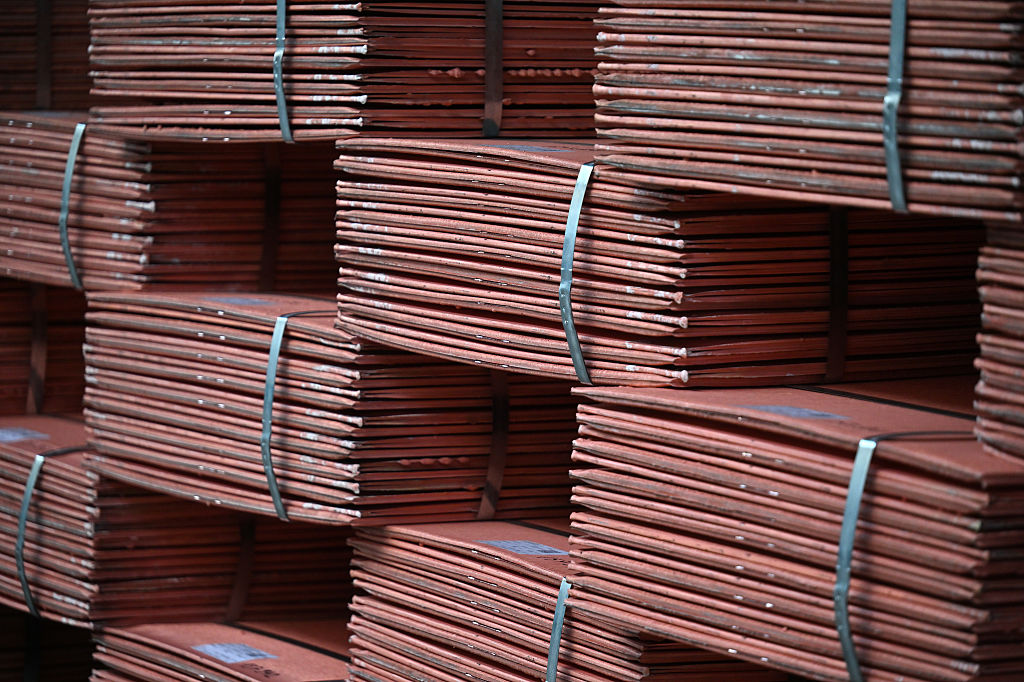
How much copper should you actually own? As a portfolio editor, I generally recommend a 5% to 15% sleeve for "Strategic Real Assets." This sleeve should include a mix of gold (for stability), copper (for growth), and perhaps lithium or uranium.
Copper’s role is to provide a "pro-cyclical" hedge. It protects your purchasing power against inflation, but unlike gold—which is largely a store of value—copper has a high "utility" factor. If the world is innovating and building, copper wins.
Understanding AISC: The Investor’s Secret Weapon
When you evaluate a mining company, the most important metric isn't its total revenue; it’s the All-in Sustaining Cost (AISC). This figure tells you how much it costs the company to pull one pound of copper out of the ground, including all capital expenditures and overhead.
- Low AISC (<$2.00/lb): These companies are "safe" and can survive deep market downturns.
- High AISC (>$3.50/lb): These companies are highly leveraged to the price of copper. They will make a fortune if copper hits $6.00/lb, but they could face bankruptcy if it drops to $3.00/lb.
Risks to Consider
No investment is without risk. Copper is subject to Geopolitical Risk. Over 40% of the world’s copper supply comes from Chile and Peru. Political instability, labor strikes, or changes in mining tax laws in these regions can cause sudden price spikes or supply disruptions.
Additionally, copper remains sensitive to the Chinese Economy. China consumes nearly half of the world's copper. Even with the AI and EV transition, a major slowdown in the Chinese real estate sector could create short-term headwinds for copper prices.
FAQ
Q: Is copper a better investment than gold for 2026? A: They serve different purposes. Gold is a defensive asset used to protect against a weakening dollar or systemic collapse. Copper is an offensive strategic asset used to profit from global growth and technological advancement. In 2026, copper likely offers higher upside potential due to the projected 10 million metric ton supply gap.
Q: Can aluminum or other metals replace copper in EVs and AI? A: While aluminum is sometimes used in power lines, it is less conductive and more brittle than copper. In high-performance applications like AI data centers and EV motors, copper’s superior thermal and electrical conductivity makes it virtually irreplaceable.
Q: What is the long-term outlook for copper prices? A: What is the outlook for copper demand and supply? Most analysts are "structural bulls." With global demand projected to hit 42 million metric tons by 2040 and a lack of new mining projects, the price of copper likely needs to rise significantly to incentivize new production.
The Bottom Line
The transition to a digital, electrified world is the defining economic trend of the 2020s. You cannot have AI without power, you cannot have power without a grid, and you cannot have a grid without copper. By adding a strategic allocation to copper ETFs or top-tier miners, you aren't just speculating on a commodity—you are investing in the very infrastructure of the future.
Whether you choose the broad diversification of COPX, the low-cost efficiency of COPA, or the individual strength of a giant like Freeport-McMoRan, the goal is the same: position your portfolio to benefit from a world that is hungry for the "red gold."