Grocery shopping used to be a routine chore; now, for many of us, it feels like a high-stakes financial negotiation. If you’ve walked through the checkout line recently and felt a pang of "receipt shock," you’re not alone. Since February 2020, grocery prices have seen a cumulative jump of 29%, and economists are projecting an additional 3.1% increase for 2026. The traditional way we shop—driving to the store, grabbing what looks good, and trying to figure out dinner later—is officially broken. It’s a habit that drains your bank account and fills your trash can with wilted spinach and expired sauces.
The problem isn't necessarily what you are buying, but the process itself. Most people start their shopping journey in the supermarket aisles. To fix your food budget, you need to flip the script. You need a strategy that treats your kitchen like a business inventory and your grocery store like a warehouse for "gap" items only. This is the Backwards Shopping Strategy.
What is the Backwards Shopping Strategy?
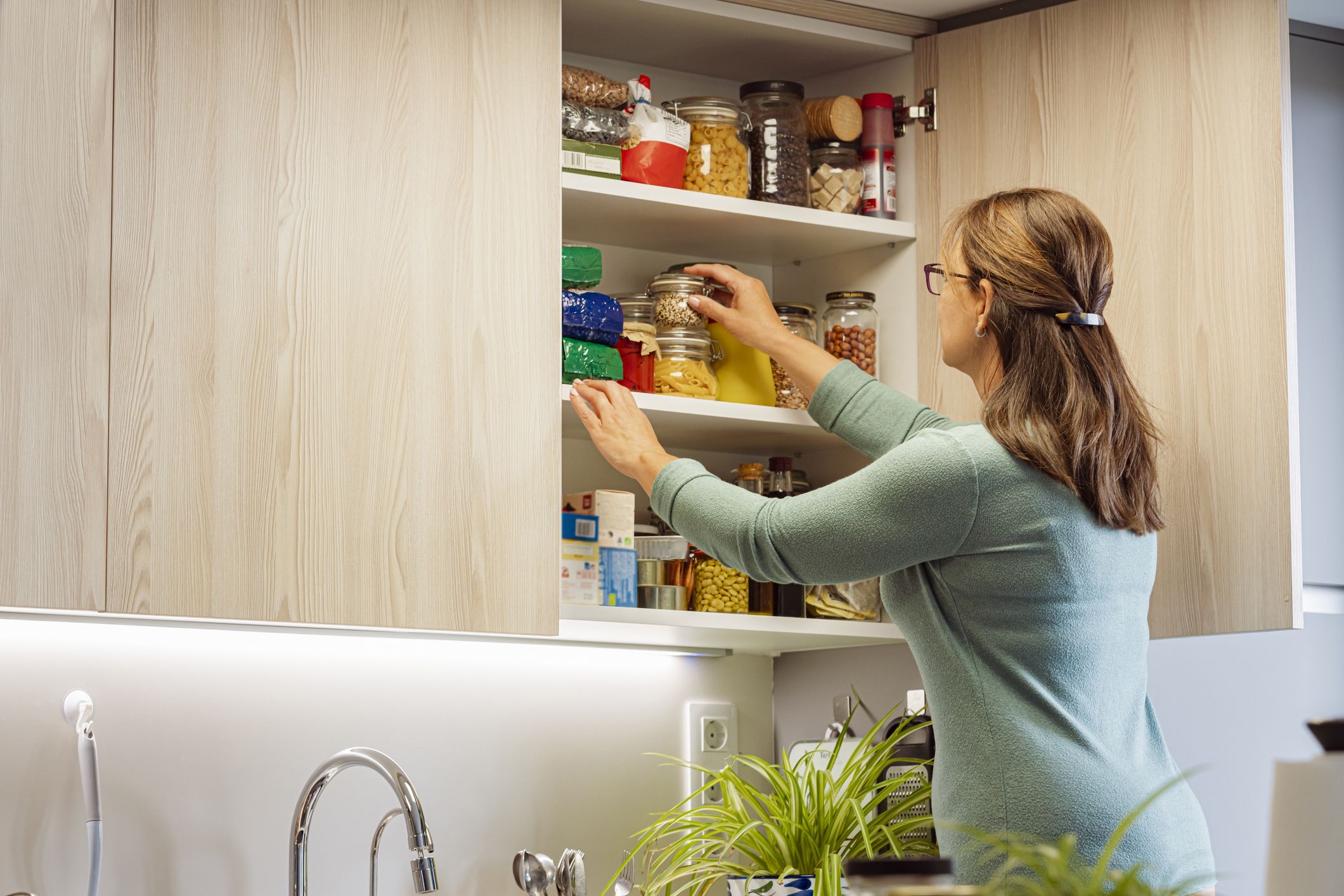
The backwards shopping strategy is a pantry-first meal planning method where you inventory ingredients you already own, plan meals around them, and only buy the missing 'gap' items to avoid overspending. Instead of starting with a blank list or a cookbook, you start with the back of your pantry and the bottom of your freezer.
The core philosophy is simple: Shop your kitchen before you shop the store. By identifying the "gaps" in your existing inventory, you stop the cycle of buying a second bottle of mustard or a third bag of rice just because you "think" you’re out. The financial upside is massive. Strategic meal planners who use this method reduce food costs by an average of $47 per person per month, resulting in annual savings exceeding $560. For a family of four, that’s over $2,200 back in the household budget every year.
The Step-by-Step Guide to Backwards Shopping
Transitioning to this method requires a shift in mindset. Think of it like setting a GPS before a road trip; you wouldn't just start driving and hope you end up at your destination. You need to know where you are starting from.
Step 1: The Kitchen Audit
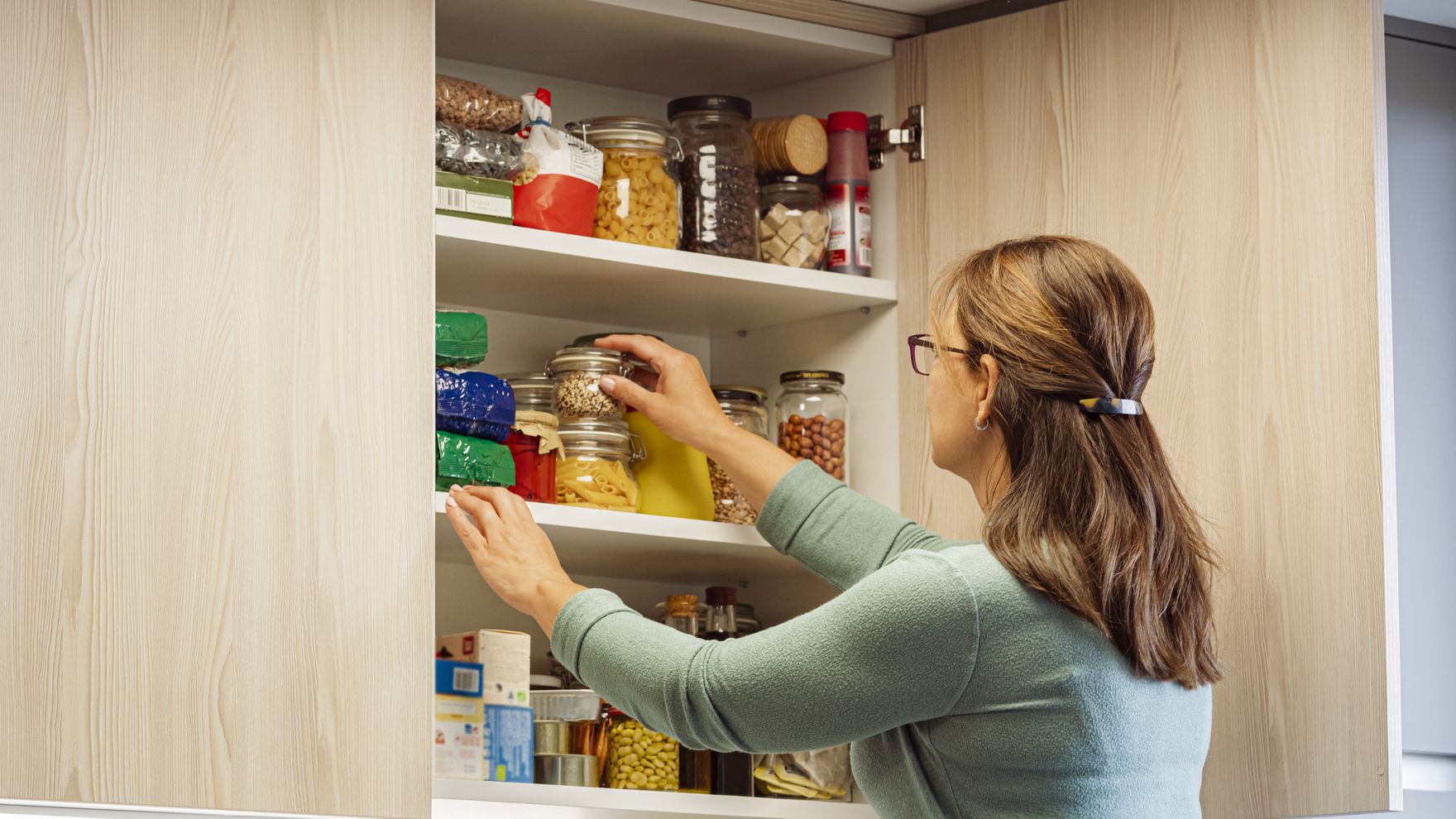
Before you even think about a grocery list, you must conduct a thorough audit of your "current stock." This isn't just a glance; it’s a deep dive.
- The Freezer: Look for the "forgotten" proteins—the frozen tilapia, the half-bag of shrimp, or the ground turkey you bought on sale last month.
- The Pantry: Check for staples like pasta, lentils, canned tomatoes, and grains.
- The Fridge: Identify produce that needs to be used immediately.
Step 2: Reverse Meal Planning
Now, look at your audit and play a game of "culinary Tetris." Instead of asking "What do I want to eat?", ask "What can I make with these black beans and that jar of salsa?"
The goal is to build 3 to 5 meals around what you already own. For example:
- If you have pasta and a jar of marinara, you just need a vegetable.
- If you have frozen chicken breasts and rice, you just need a sauce or seasoning.
- If you have eggs and some wilting bell peppers, you have the base for a frittata.
Step 3: Creating the "Gap-Only" List
Once your meals are planned based on your inventory, write down only the specific ingredients required to complete those recipes. This is your "Gap List." If a recipe calls for five ingredients and you already have four, only the fifth item goes on the list. This discipline prevents the "Impulse Trap" of warehouse clubs like Costco, where shoppers often buy in bulk "just in case," only to have half the product expire before it’s used.
Step 4: Smart Execution
When you finally enter the store, the rule is absolute: Stick to the list. The grocery store is designed to make you spend. High-margin items are placed at eye level, and "limited-time" sales are engineered to create a sense of urgency. With a Gap-Only list, you bypass the noise and head straight for the items you actually need.
Traditional Shopping vs. Backwards Shopping
To see why this works, let’s compare the two behaviors:
| Feature | Traditional Shopping | Backwards Shopping |
|---|---|---|
| Starting Point | The Grocery Store Aisle | Your Own Kitchen Pantry |
| Meal Planning | "What looks good today?" | "What can I make with my stock?" |
| Inventory Knowledge | Based on memory (often wrong) | Based on a physical audit |
| Waste Level | High (frequent duplicate buys) | Low (uses existing stock first) |
| Annual Savings | $0 (Base Price) | $560+ per person |
Advanced Tactics to Stretch Your Budget
While the backwards strategy provides the framework, these advanced maneuvers can help you squeeze even more value out of every dollar.
The Bulk Buy Paradox
Buying in bulk can be a powerful tool, but it’s a double-edged sword. It only saves money if the "cost per unit" is lower and you actually consume the entire amount. Use the backwards strategy to identify which staples you use most frequently (like oats, rice, or coffee) and buy those in bulk. Avoid bulk-buying perishables unless you have a specific plan to freeze or process them immediately.
Protein Swaps
With beef prices projected to rise by another 5.5%, protein is often the most expensive part of the grocery bill. To offset this, integrate plant-based proteins like lentils, chickpeas, and black beans into your reverse meal planning. These are shelf-stable staples that act as the perfect foundation for a backwards shopping audit.
Store Brand Secrets
Don’t pay for the marketing. In many cases, private-label or "store brand" items are manufactured by the same companies as name brands but cost 30% less. When filling your "gaps," prioritize the store brand for staples like flour, sugar, salt, and canned goods.
Mason’s Pro-Tip: Use technology to enforce your discipline. Many grocery chains now offer "Click and Collect" or pickup services. By ordering your "Gap List" online, you avoid walking through the store entirely, eliminating 100% of impulse buy opportunities.
Realistic Savings: What the Data Says
We often think of saving money as a series of sacrifices, but backwards shopping is actually about efficiency. 43% of food waste occurs at the household level. When you throw away a bag of rotten salad or a freezer-burned steak, you are quite literally throwing cash into the bin.
By shifting to a pantry-first model, you aren't just saving on the front end at the register; you are capturing the value of every dollar you've already spent. As mentioned earlier, meal planners save an average of $47 per month per person. For a single person, that’s a new pair of shoes or a nice dinner out every few months. For a family, that’s a significant contribution to a college fund or a vacation.

Is This Strategy Right for You?
While the backwards shopping strategy is a powerhouse for most, it’s important to acknowledge who it serves best.
It’s a perfect fit for:
- Families: When you’re feeding 3+ people, the volume of waste and duplicate spending scales quickly.
- Bulk Shoppers: If you love warehouse clubs, this strategy is the "safety rail" that prevents your pantry from becoming a graveyard of unused goods.
- Budget-Conscious Professionals: Those who want to automate their decision-making to save time and mental energy.
It might be a challenge for:
- Minimalists: If you live in a tiny apartment with zero pantry space and buy food day-to-day, there isn't much inventory to "shop" from. However, even auditing your fridge can help.
How to Start Today: The 3-Meal Challenge
You don't need a complex spreadsheet to start. In fact, I recommend starting with the 3-Meal Challenge.
Tonight, open your pantry and your freezer. Find three main components (a bag of lentils, a box of pasta, and a frozen bag of stir-fry veggies). Your goal is to create three dinners using these as the base. Write down the 2-3 "gap" items you need to make those meals complete. Go to the store, buy only those items, and see how much your bill drops.
The freezer is your most powerful financial tool. Use it to store the "wins" you find during your audit, and use the backwards strategy to ensure they don't stay there forever.
FAQ
Q: Does backwards shopping take more time than regular shopping? A: Initially, yes, because the audit takes 10–15 minutes. However, it saves significant time at the grocery store because you aren't wandering aisles trying to remember what you have or deciding what to eat. You have a mission and a list.
Q: What if I don't have enough food in my pantry to make 3 meals? A: This is common when you first start. In this case, your "Gap List" will be longer. As you continue the strategy, you'll naturally start to keep a better-curated stock of staples, making future "backwards" planning much easier.
Q: Can I still buy treats or snacks with this method? A: Absolutely. The strategy is about the process of planning meals. If you want to add snacks to your "Gap List," go for it. The goal is to eliminate accidental and wasteful spending, not to remove the joy of eating.
Mason Lee's Final Thought: Financial stability isn't built on one-time windfalls; it's built on the small, disciplined habits we repeat every week. By simply changing the order of how you shop, you turn your kitchen from a cost center into a savings account. Stop shopping forward into debt and start shopping backwards into wealth.