Every time you review your monthly budget, you likely look at your recurring bills with a critical eye. You see the rent, the groceries, and that ever-creeping line item: your car insurance. If you’ve asked yourself, "Why are my car insurance rates going up every year?" even though you have a clean driving record, you aren't imagining things. You are likely paying a "fraud tax." Auto insurance fraud is a massive, systemic problem that directly impacts your personal budget by driving up the overall cost of premiums for all policyholders. Because insurance is a risk-sharing venture, companies offset the staggering financial losses from fraudulent claims by increasing rates across the board. Essentially, you are subsidizing the criminals who stage accidents and the dishonest shops that pad their bills.
1. The Hidden Tax: How Fraud Drains Your Monthly Budget
When we talk about financial planning, we focus on things we can control—our spending, our savings rate, and our debt. However, auto insurance fraud is an external force that erodes your purchasing power. According to a 2022 study by the Coalition Against Insurance Fraud, insurance fraud costs the United States an estimated $308.6 billion annually, which translates to nearly $3,800 for an average family of four. Even when you narrow it down to non-health insurance, the FBI estimates it costs the average U.S. family between $400 and $700 a year in the form of insurance premium increases.
How does insurance fraud affect my monthly budget? It’s a simple matter of math. Insurance companies operate by pooling the premiums of many to pay for the losses of a few. When "the few" include organized crime rings or dishonest individuals filing fake claims, the pool drains faster than expected. To keep the pool full and remain profitable, the insurer must raise the "price of admission"—your monthly or semi-annual premium. This means that even if you haven't had a ticket or an accident in a decade, your budget is still taking a hit because of someone else's dishonesty.
Mason’s Money Tip: Think of insurance fraud like retail theft. Just as stores raise prices to cover "shrinkage," insurance carriers raise rates to cover fraudulent payouts. Protecting your budget starts with understanding that you aren't just paying for your own risk; you're paying for the industry's collective loss.
2. The Buyer’s Trap: Identifying Ghost Insurance Agents
The fraud starts before you even get on the road. Many budget-conscious drivers fall victim to ghost insurance agents while searching for the lowest possible rates. These scammers often haunt social media platforms or messaging apps, promising "unbeatable" deals that legitimate carriers simply can't match.
Signs of a fake insurance agent on social media are often subtle but consistent. They might ask for payment via untraceable methods like Venmo, Zelle, or prepaid gift cards. They may provide a "policy" that looks official but isn't registered with any insurance regulator. In many cases, these "ghost agents" take your money and provide you with a forged insurance card. You think you’re saving $50 a month, but in reality, you are driving uninsured. If you get into an accident, you are personally on the hook for all liability and damages, which can lead to financial ruin.
| Feature | Legitimate Agent | Ghost Agent |
|---|---|---|
| Payment Method | Credit card, official portal, or check to the company. | Cash, Zelle, Venmo, or Gift Cards. |
| Licensing | Verified through the State Insurance Regulator. | Vague about credentials; "independent" without proof. |
| Communication | Professional email and physical office. | Primarily through DM, WhatsApp, or Telegram. |
| Price | Market-competitive based on risk. | "Exclusive" deals 50-70% below market rate. |
3. On the Road: Staged Car Accidents and 'Swoop and Swat'
One of the most dangerous forms of auto insurance fraud involves staged car accidents. These aren't just minor mishaps; they are orchestrated maneuvers designed to force you into a collision where you appear to be at fault.
The most common tactic is known as the "Swoop and Swat." In this scenario, two vehicles work together. One vehicle (the "swoop" car) pulls in front of another vehicle (the "swat" car), which is driving directly in front of you. The "swoop" car cuts off the "swat" car, causing the "swat" car to slam on its brakes. You, following behind, have no time to react and rear-end the "swat" car. The "swoop" car speeds away, and you are left as the "at-fault" driver in a rear-end collision.
Protecting yourself from swoop and swat scams requires a mix of defensive driving and technology. Scammers look for "high-value" targets—newer cars, commercial vehicles, or drivers who appear distracted. They want a victim whose insurance company is likely to pay out a large settlement for medical claims and vehicle damage.
Common car insurance scams to watch out for on the road include:
- The Wave-In: A driver waves you into traffic, then intentionally accelerates to hit you, later claiming they never waved you in.
- The Panic Stop: A driver in front of you watches your reflection in their mirror and slams on their brakes when they see you are momentarily distracted.
- The Side-Swipe: Scammers target you at intersections with dual turn lanes, intentionally drifting into your lane to cause a collision.
Mason’s Strategy: Invest in a high-quality dash cam. It is the single most effective tool for protecting yourself from swoop and swat scams. Video evidence provides an objective account of the incident, often showing the "swoop" car or the lack of legitimate reason for the "swat" car to brake.
4. Post-Collision Scams: Repair Shops and Exaggerated Claims
Even if an accident is legitimate, fraud can still creep in during the recovery phase. This is often referred to as "soft fraud"—where a real claim is intentionally inflated. This is a major driver of insurance premium increases because it happens thousands of times a day across the country.
You must learn how to avoid repair shop insurance scams. Some dishonest shops, often referred to as "chaser" shops, have tow truck drivers who listen to police scanners and show up at accident scenes uninvited. They may pressure you to take your car to their shop, promising to "waive your deductible." In reality, they waive the deductible by using used or counterfeit parts while billing your insurance company for brand-new, original equipment manufacturer (OEM) parts.

Hard Fraud vs. Soft Fraud: What's the Difference?
Understanding the distinction helps you spot red flags more effectively.
| Type | Definition | Example |
|---|---|---|
| Hard Fraud | Someone deliberately plans or invents a loss. | Staging a car accident or reporting a car stolen when it wasn't. |
| Soft Fraud | Someone exaggerates a legitimate claim. | Inflating the value of items stolen from a car or "padding" a repair bill. |
Another common post-collision scam involves "medical mills." These are clinics that work with scammers to file exaggerated medical claims. They might perform unnecessary tests or bill for treatments never received to reach the maximum payout of your personal injury protection (PIP) coverage.
5. The Digital Frontier: AI and Deepfakes in 2026
As we look toward the future of personal finance, we must acknowledge that auto insurance fraud is evolving. By 2026, the use of generative AI and deepfakes to manipulate insurance claims will likely be a significant challenge. We are already seeing "Gen Z fraud" trends where younger consumers, perhaps not realizing the severity, consider manipulating photos of vehicle damage using AI apps to secure a higher settlement.
While this might seem like a "victimless" shortcut to cover a deductible, it undermines the entire risk-sharing system. As AI detection tools become a standard expense for insurance companies, those operational costs are—you guessed it—passed down to you. The loss of trust in digital evidence means more manual inspections, longer claim processing times, and higher administrative costs for everyone.
6. Budget Protection: Actions to Take and Reporting Fraud
Protecting your budget from the ripple effects of fraud requires a proactive stance. You cannot control what others do, but you can ensure you aren't an easy target and that you aren't inadvertently supporting fraudulent systems.
A Step-by-Step Defense Guide
- Verify the Professional: Before signing any paperwork or paying a premium, check the credentials of your agent or repair shop through your state insurance regulator.
- Document Everything: In the event of an accident, use your phone to take detailed photos of all vehicles, the passengers in the other car, and the surrounding scene. Scammers often "jump in" to a car after an accident to claim injuries as passengers.
- Insist on a Police Report: Even for minor "fender benders," a police report is a vital legal document. Scammers hate police involvement because it creates an official record that can be cross-referenced with other suspicious claims.
- Watch for "Chasers": Never use a tow truck or a repair shop that just happens to "show up" at the scene. Use the roadside assistance provided by your insurance company or a trusted local provider.
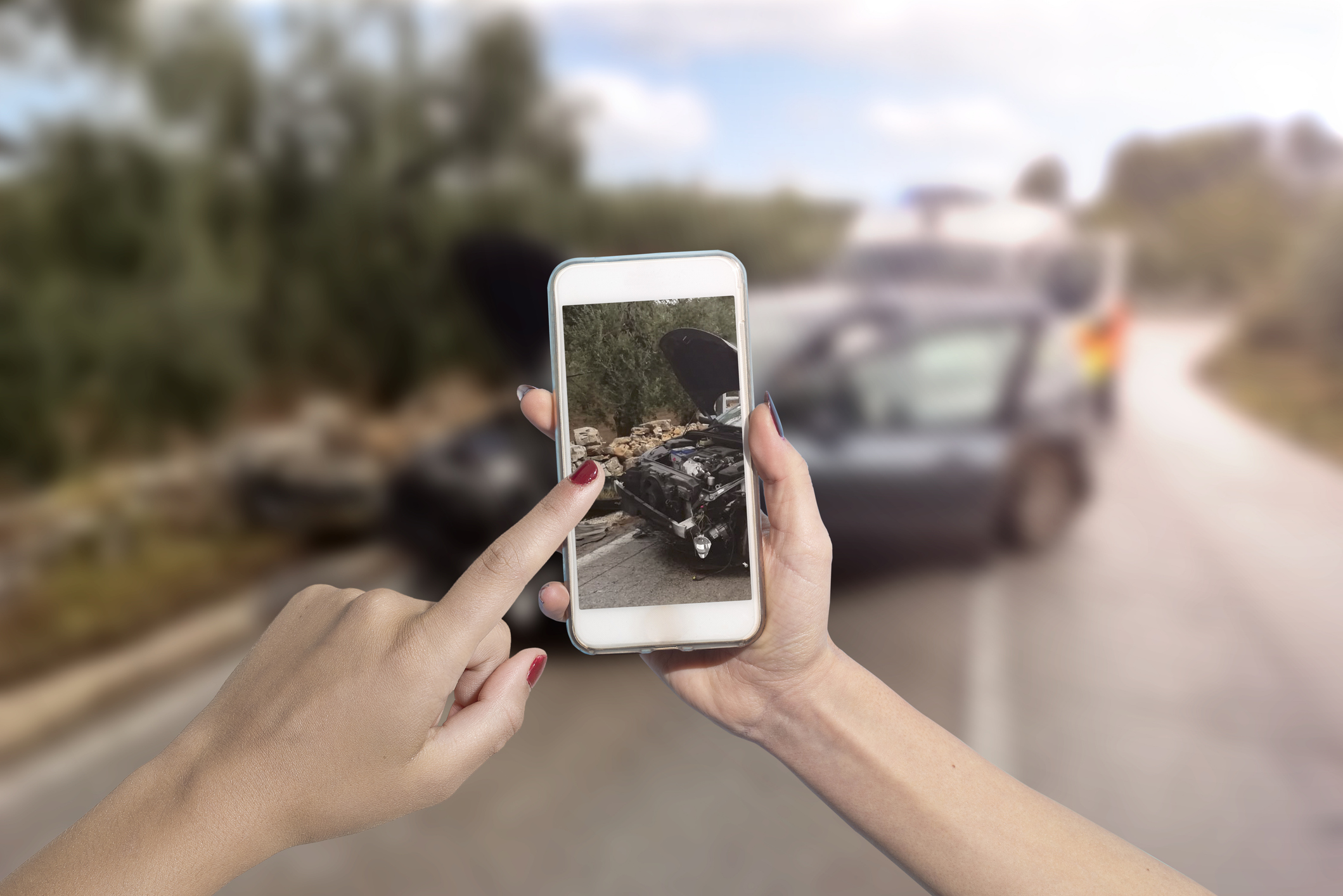
If you suspect you have been a victim of a scam or witness suspicious activity, you should know how to report suspected insurance fraud anonymously. Most states have a dedicated fraud bureau within their Department of Insurance. You can also report via the National Insurance Crime Bureau (NICB) at 1-800-TEL-NICB. Reporting fraud doesn't just catch a criminal; it helps protect the collective insurance pool, which is the only way to eventually stabilize your monthly budget.
FAQ
Why are my car insurance rates going up every year?
Rates increase due to several factors, including the rising cost of vehicle repairs, increased litigation costs, and, significantly, the "fraud tax." As auto insurance fraud costs the industry billions annually, companies raise premiums for everyone to cover these losses.
How to report suspected insurance fraud anonymously?
You can report fraud anonymously through the National Insurance Crime Bureau (NICB) website or by calling their toll-free hotline at 1-800-835-6422. Most state insurance regulators also have online forms where you can submit tips without providing your identity.
Does having a dash cam prevent insurance fraud?
While a dash cam might not stop a scammer from hitting you, it is the best tool to prevent a fraudulent claim from succeeding. It provides objective video evidence that can disprove staged car accidents, potentially saving you from being held at fault and seeing a massive spike in your rates.
Conclusion
Building a stable financial future requires more than just picking the right stocks or cutting back on lattes; it requires defending your budget against the "invisible" costs of a dishonest system. Auto insurance fraud is a multi-billion dollar drain on the economy that manifests in your life as higher monthly bills. By staying vigilant against ghost insurance agents, recognizing the signs of staged car accidents, and reporting suspicious activity to your insurance regulator, you are doing more than just being a good citizen—you are actively protecting your wallet. Remember, insurance is a risk-sharing community. When we reduce the fraud in that community, we pave the way for more affordable, predictable costs for everyone.