If your monthly budget was already feeling the squeeze from rising grocery bills and housing costs, the latest trip to the gas station likely felt like a direct hit to your financial stability. We’ve all seen the numbers: the national average gas price recently surged a staggering 23% in a single month, climbing from $2.94 to $3.63 per gallon. For many Americans, this isn't just a minor fluctuation; it’s a disruption that forces hard choices between filling the tank and other essential spending.
The reality is that while global factors—like the conflict in the Strait of Hormuz, which threatens a supply route responsible for 20% of the world's oil—drive prices up everywhere, where you live determines exactly how much pain you feel at the pump. In some states, "sticker shock" has become an understatement as prices move toward the $4.00 or even $5.00 mark. My goal today is to help you navigate this volatility. We’ll look at which states are seeing the sharpest hikes, why these regional differences exist, and most importantly, the specific strategies you can use to claw back some of those dollars every time you refuel.
The 5 States With the Sharpest Gas Price Hikes
While every driver in the country is feeling the pinch, a few states are currently the "epicenter" of the price surge. The most dramatic shift has occurred in Arizona, which recently experienced a 30% jump in prices, moving from $3.17 to $4.10 per gallon in a matter of weeks. This spike is a perfect storm of supply chain hiccups and regional demand.
Meanwhile, California continues to hold its position as the most expensive state for drivers, with prices averaging $5.41 per gallon. While the percentage increase in California might be lower than in Arizona, the sheer cost per gallon makes it a significant burden for the average commuter. Other states like Ohio, Michigan, and Indiana (and occasionally Alaska due to logistics) have seen rapid, double-digit increases that often catch residents off guard during their morning commute.
| State | Previous Price (Per Gal) | Current Price (Per Gal) | Estimated % Increase |
|---|---|---|---|
| Arizona | $3.17 | $4.10 | 29.3% |
| California | $4.85 | $5.41 | 11.5% |
| Ohio | $3.02 | $3.58 | 18.5% |
| Michigan | $3.10 | $3.65 | 17.7% |
| Indiana | $3.05 | $3.62 | 18.7% |
"The national average surge to $3.63 per gallon represents one of the fastest price escalations we've seen in recent years. With global tensions potentially pushing averages toward $4.00, drivers in high-hike states need to be proactive." — Mason Lee
Why Gas Prices Vary So Much by State
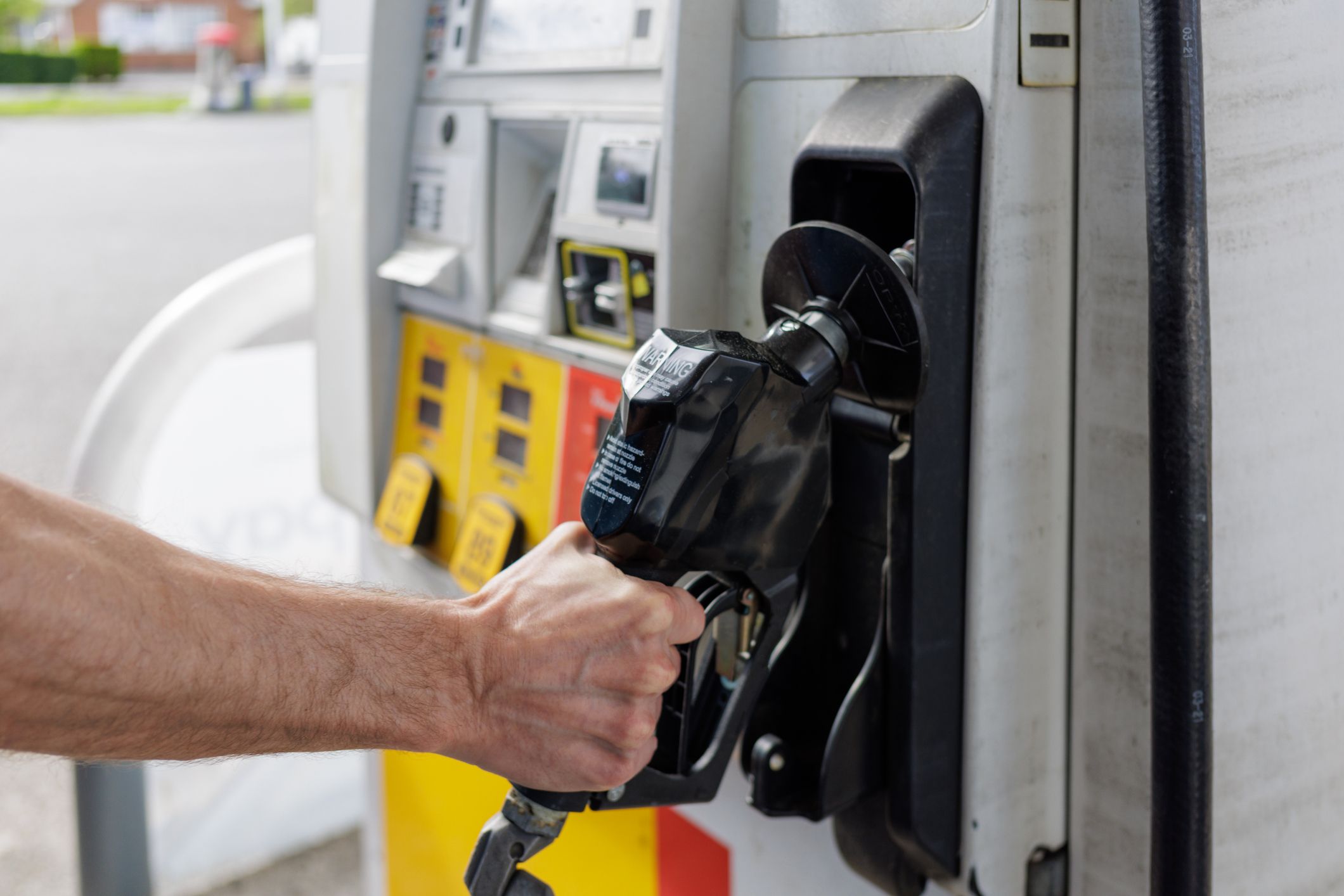
You might wonder why crossing a state line can suddenly save you 50 cents a gallon. It isn't just a random decision by gas station owners; it’s a complex mix of taxes, environmental policy, and geography.
First, there are state fuel taxes. Each state sets its own rate to fund infrastructure and road repairs. While some states keep these taxes low to ease the burden on residents, others have high levies that are baked into the price you see on the sign. Second, the "Special Blend" factor plays a massive role, particularly in California. To meet strict environmental standards and reduce smog, California requires a specific, cleaner-burning fuel blend that is more expensive to produce and can only be sourced from a limited number of refineries. When one of those refineries goes down for maintenance, supply drops and prices skyrocket.
Finally, there is logistical proximity. States like Oklahoma or Texas are close to major oil refineries and pipelines, keeping transportation costs low. In contrast, remote areas or states far from the Gulf Coast (like Alaska or Hawaii) face higher "last-mile" delivery costs. If a pipeline is disrupted or a shipping route like the Strait of Hormuz is threatened, the states furthest from the source are often the first to see the impact.
The Ultimate Guide to Saving on Gas in 2026
Knowing why prices are high helps you understand the market, but it doesn't put money back in your pocket. To fight back against the 2026 price hikes, you need a multi-layered approach. I call this "The Stacking Strategy." Instead of relying on one discount, you combine several to maximize your savings.
Join Top-Tier Rewards Programs
Most major gas brands offer loyalty programs that are free to join and offer immediate "cents-off" benefits.
- Shell Fuel Rewards: This remains a gold standard. Simply by having "Gold Status" (which is often free for the first six months or linked to certain credit cards), you save at least 5¢/gal. Often, they run promotions that bump this to 10¢ or more.
- BPme Rewards: This program offers a consistent 5¢ discount on every gallon. Its app is also excellent for touchless payment, which can sometimes unlock additional localized offers.
- Hy-Vee Fuel Rewards: If you live in the Midwest, grocery-anchored fuel programs are incredibly powerful. Buying specific "Fuel Saver" items at the grocery store can sometimes lead to $1.00 or more off per gallon.
The Power of Warehouse Clubs
If you have a membership to Costco or Sam’s Club, you already have one of the best tools for fighting gas hikes. On average, warehouse clubs price their fuel 5 to 15 cents lower than surrounding stations. The trade-off is often a longer line, so try to go during "off-peak" hours—typically early weekday mornings or late evenings—to avoid idling and wasting the very gas you’re trying to save.
Use App-Based Savings and Comparison Tools
Technology is your best friend when prices are volatile. Don't just pull into the first station you see.
- GasBuddy: This is essential for comparing prices in real-time. A station two blocks away might be 20 cents cheaper simply because they haven't updated their pricing to match a midday hike yet.
- Upside: This app offers cash back on gas purchases. You "claim" an offer in the app, pay with your linked card, and get a percentage or a flat cent-per-gallon amount back in your account.
- Stacking Example: Imagine using GasBuddy to find the cheapest station, paying with a cash-back credit card (like one that offers 3-4% on gas), and then logging that purchase in Upside for an extra 10¢/gal back. This "triple threat" can easily save you $5 to $10 on a single fill-up.
Expert Tips for Budget-Conscious Drivers
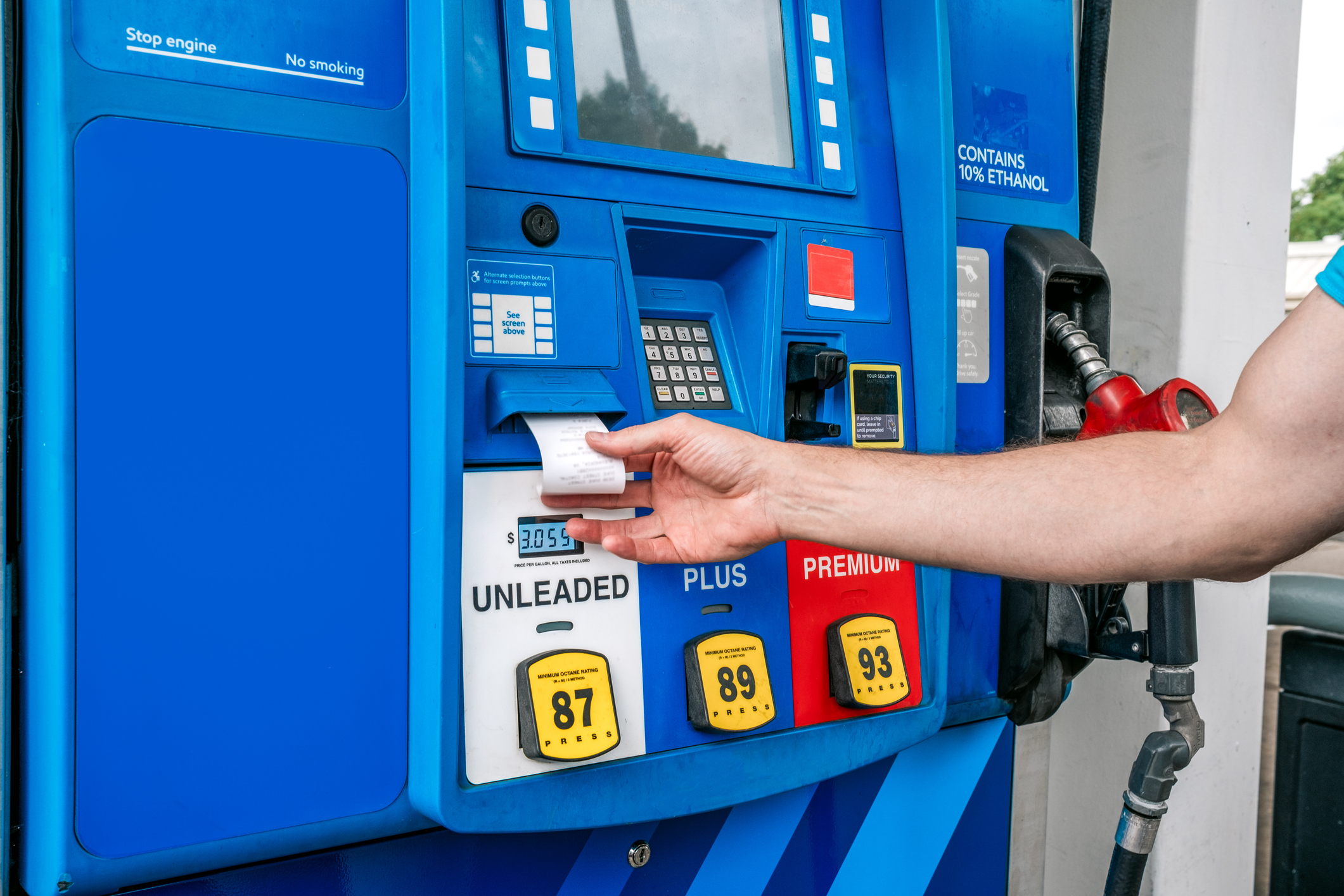
As a finance editor, I look at the habits that lead to long-term stability. Beyond the apps and rewards, your driving and maintenance habits play a role in how often you have to visit the pump.
- Watch the Demand Cycles: Gas prices typically rise ahead of major travel holidays (Spring Break, Memorial Day, July 4th). If you can, fill up a few days before the weekend rush. Historically, Mondays and Tuesdays are the cheapest days to buy gas; prices often tick up on Thursdays in anticipation of weekend travel.
- Maintenance Matters: It sounds cliché, but properly inflated tires and a clean air filter can improve your fuel economy by up to 3%. In a world of $4.00 gas, that’s like getting a free gallon every few fill-ups.
- Exxon Mobil Rewards+: Keep an eye on "Frequent Filler" status perks. Some programs offer "double points" periods where you can rack up enough rewards for a significant discount on a future tank.
- Understand the Macro View: Keep an eye on news regarding the Strategic Petroleum Reserve (SPR). When the government releases oil from the reserve, it can provide temporary price relief. Use these windows to fill up rather than waiting until the reserve release effect wears off.
FAQ
Q: Why are gas prices rising so fast right now? A: A combination of seasonal shifts (moving to more expensive summer fuel blends), increased travel demand, and global supply chain disruptions—specifically the conflict in the Strait of Hormuz—has created a supply-demand imbalance.
Q: Is it better to use a gas station credit card or a general cash-back card? A: Usually, a general cash-back card that offers 3% or more on "travel or gas" is better because it gives you the flexibility to shop at any station. Station-specific cards often lock you into one brand, which might not always be the cheapest option in your area.
Q: Does premium gas help with fuel economy in a standard car? A: Generally, no. Unless your vehicle's manual specifically requires premium fuel, using it is a waste of money. It won't increase your mileage or protect your engine more than regular "Top Tier" rated gasoline.
Take Action Today
High gas prices can feel like an uncontrollable force, but you have more leverage than you think. Start by downloading one comparison app (like GasBuddy) and joining one rewards program (like Shell or BPme) today. By shifting your habits and "stacking" your discounts, you can offset a significant portion of these price hikes and keep your financial plan on track. Don't wait for the prices to drop—change the way you pay.